Dog and cat food recalls: where to check and what to do
The U.S. Food and Drug Administration (FDA) regulates pet food and posts recall notices for dog and cat food and treats. This page links to the official lists and explains what to do when a product in your home is named.
Not a substitute for professional veterinary help. If your dog or cat seems sick, call your veterinarian first.
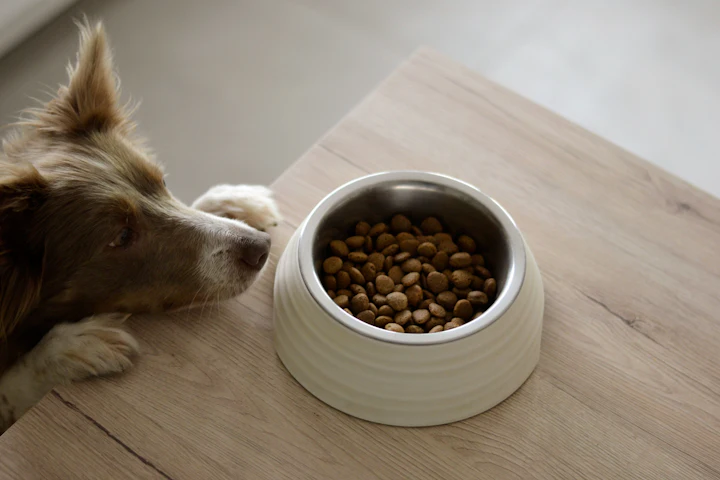
Where to check for current recalls
When a company announces a recall, the FDA typically posts the announcement on its website. Check the pages below instead of a copied list.
| Source | What it shows |
|---|---|
| FDA Recalls and Withdrawals – Animal and Veterinary | Company recalls of pet food, treats, and other animal products. Search by brand, product, reason, or company. |
| FDA Outbreaks and Advisories | Advisories the FDA writes itself, separate from company recall notices. |
| FDA Recalls, Market Withdrawals and Safety Alerts | Recall notices across FDA-regulated products. Set the Product Type filter to Animal & Veterinary. |
| FDA email updates | Free email alerts from the FDA. The agency offers daily or weekly notification of recalls through this service. |
| AVMA Recalls and safety alerts | A recall list from the American Veterinary Medical Association. Search by product name and filter for food. |
The FDA notes that not every recall gets a press release or appears on its main recalls page. Its Enforcement Report includes all recalls the agency monitors once they are classified.
Recall, market withdrawal, advisory: what each means
- Recall – a company removes a product from the market. It can act on its own, at the FDA's request, or under an FDA order.
- Recall classes – Class I means a reasonable probability of serious health consequences or death. Class II covers temporary or medically reversible effects, or a remote chance of serious ones. Class III is not likely to cause health consequences.
- Market withdrawal – the product has a minor violation that would not be subject to FDA legal action. The company removes it or corrects the violation.
- FDA advisory – a public health advisory the FDA writes itself about a pressing human or animal health concern.
How to find the lot code and best-by date
A lot number is a string of numbers and letters that identifies a specific batch. It shows whether your food or treats are part of a recall.
- Bags and pouches: check the bottom, the side, or a few inches from the top.
- Cans: the lot number is most often printed on the bottom. Some are printed on the lid.
- Near the date: the lot number is often near the best-by or expiration date.
- Tear strips: some bags carry the code on a strip you may rip off when opening.
- Label: the code may or may not carry a title such as "LOT". When in doubt, note every code on the package.
- UPC: the barcode, a small box of black bars and numbers. Note it along with the lot number.
The FDA asks pet parents to save the original packaging until the food is used up. If you use a storage bin, cut out the lot number and tape it on. A dated phone photo of the codes works too.
What to do if your product is listed
- Compare your package with the notice: brand, product name, package size, lot code, and best-by date.
- Stop feeding the product.
- Follow the instructions in the recall notice. Recalled products can often be returned to the store where you bought them.
- Keep the packaging or a photo of the codes. The FDA asks for the lot number, best-by date, and UPC in a report.
- If you cannot return it, put it in a secure container in a covered trash can. Make sure no people or animals can get to it.
- Do not give it to others, such as a food bank or another pet.
- Wash pet food bowls, scoops, and measuring utensils with soap and hot water. Clean the area where the product was stored.
- Wash your hands with soap and hot water for at least 20 seconds before and after handling pet food.
- Call your veterinarian if your pet ate the product and seems unwell.
How to report a problem or illness
Anyone can report a pet food problem to the FDA, and the pet does not have to be sick. A foul odor, a swollen can, or a foreign object is reason enough.
The FDA takes pet food complaints online through its Safety Reporting Portal. Start at the FDA's How to Report a Pet Food Complaint page, which links to the portal. You can report as a guest without an account, but a guest report must be finished in one session.
The FDA's Report a problem page takes reports on any FDA-regulated product. If you cannot report online, call 1-888-INFO-FDA (1-888-463-6332) and follow the prompts.
Have as much of this information ready as you can:
- Product name, container type, and net weight
- Lot number, best-by date, and UPC
- Purchase date and place, and how you stored the food
- Your pet's details, the signs you saw, and your veterinarian's records
The FDA also recommends telling the manufacturer or distributor named on the label. Report to the FDA even if you already told the store.
Questions
Who regulates pet food in the United States?
The FDA regulates pet food. Federal law requires it to be safe to eat, produced under sanitary conditions, free of harmful substances, and truthfully labeled. Some states also enforce their own labeling regulations.
Does every pet food recall appear on the FDA recalls page?
No. The FDA states that not all recalls have press releases or are posted on its main recalls page. Listings stay on the site for three years before they are archived.
Can I report a problem if my pet is not sick?
Yes. The FDA accepts reports about the product alone, such as an off color, a leaking container, or a foreign object.
Do pet treats count as pet food when I file a report?
Yes. The FDA says you can report problems with treats, chews, and nutritional supplements, as well as complete diets.
Can I still call a state consumer complaint coordinator?
The FDA says those phone numbers are no longer in use. FDA centers now receive reports directly. Use the FDA's Report a problem page, or call 1-888-INFO-FDA if you cannot use it.
Sources
- Recalls & Withdrawals (Animal & Veterinary) – U.S. Food and Drug Administration
- Outbreaks and Advisories – U.S. Food and Drug Administration, Center for Veterinary Medicine
- Recalls, Market Withdrawals, & Safety Alerts – U.S. Food and Drug Administration
- Additional Information about Recalls – U.S. Food and Drug Administration
- Enforcement Reports – U.S. Food and Drug Administration
- Recalls Background and Definitions – U.S. Food and Drug Administration
- FDA 101: Product Recalls – U.S. Food and Drug Administration
- Save Your Pet Food Lot Number! – U.S. Food and Drug Administration
- How to Report a Pet Food Complaint – U.S. Food and Drug Administration
- Pet Food Safety Reporting Portal Frequently Asked Questions – U.S. Food and Drug Administration
- Report a problem to the FDA – U.S. Food and Drug Administration
- Consumer Complaint Coordinators – U.S. Food and Drug Administration
- Get Email Updates – U.S. Food and Drug Administration
- Tips for Safe Handling of Pet Food and Treats – U.S. Food and Drug Administration
- Pet Food – U.S. Food and Drug Administration
- About Pet Food Safety – Centers for Disease Control and Prevention
- Recalls & safety alerts – American Veterinary Medical Association